Functional Capacity Assessments (FCAs): What Every Support Coordinator and Family Needs to Know
A practical, plain-English guide on how an in-home Occupational Therapy FCA justifies NDIS plan funding, daily living supports, and assistive technology approvals across Queensland.
Sarah Mitchell, BOccThy
Senior Occupational Therapist & Clinical Intake Lead
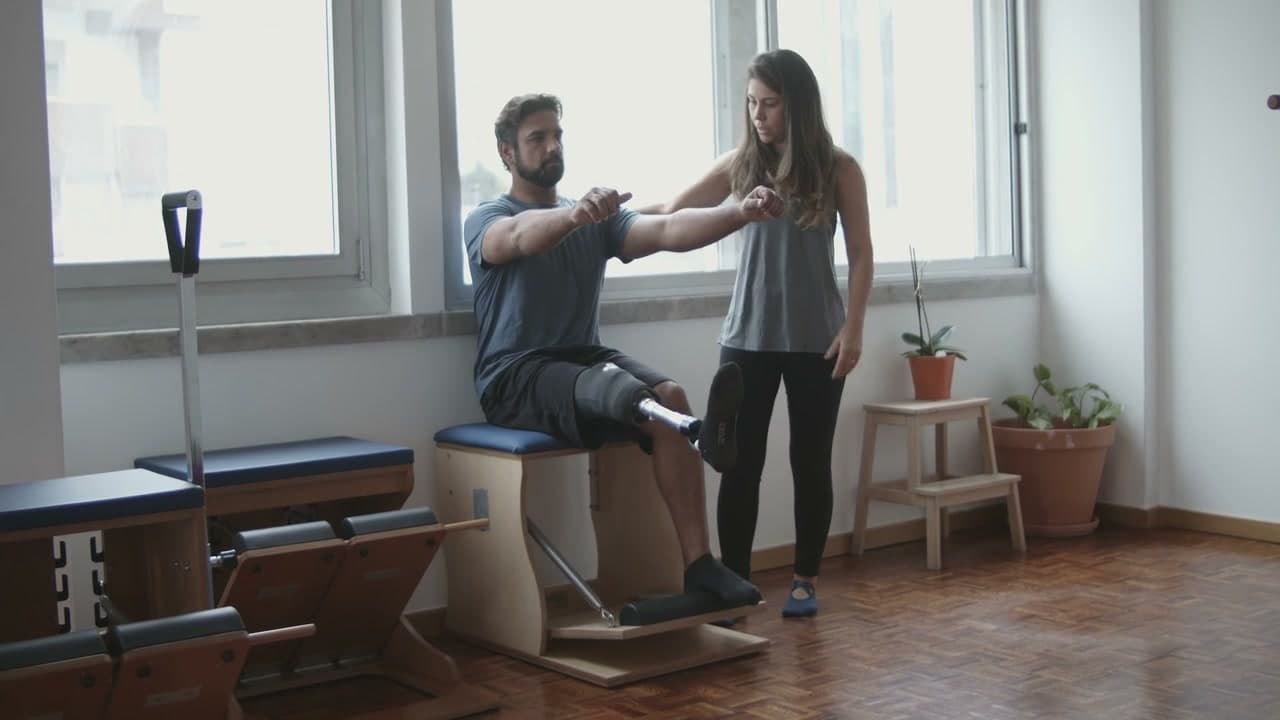
Key Takeaways for Support Coordinators & Families
- Why in-home assessments carry far more evidentiary weight with the NDIA than clinic-only reviews
- The key difference between standardized outcome measures (WHODAS, Vineland) and observational daily living tasks
- How an FCA directly justifies Core support hours, Supported Independent Living (SIL), and assistive equipment
- Typical clinical turnaround times and planning recommendations for Queensland support coordinators
What is a Functional Capacity Assessment (FCA)?
If you or someone you care for has an NDIS plan, you have probably heard people talk about an "FCA." In simple terms, a Functional Capacity Assessment is a comprehensive evaluation conducted by a qualified Occupational Therapist (OT). It looks at how your condition affects your ability to manage everyday life at home and in the community.
Rather than just focusing on a medical diagnosis, an FCA looks at real life: Can you safely make a cup of tea? How do you get in and out of the shower? Can you manage your own medications, pay bills, or catch a bus to the shops? The assessment maps out what you can do independently, where you need assistance, and what equipment or therapy could make your daily routine safer and more fulfilling.
Why In-Home Assessments Matter to the NDIA
Doing an assessment in a medical clinic is rarely the same as being in your own living room or kitchen. A clinic has level floors, adjustable chairs, and quiet consultation rooms. Your home has rugs, door thresholds, pets, and specific kitchen cabinet heights that tell the real story of your daily routine.
When an OT visits you at home across Queensland—whether on the Gold Coast, in Brisbane, Ipswich, or Toowoomba—they observe authentic physical transfers, environmental barriers, and family dynamics. The NDIA and plan evaluators give significantly higher weight to in-home observational evidence because it reflects authentic, everyday functional need.
Book an FCA at least 10 to 12 weeks before a scheduled NDIS plan review. This gives your clinician adequate time to complete observations, score standardized outcome measures, and finalize a thorough report that meets NDIA evidentiary requirements.
What Happens During the In-Home Visit?
Most in-home assessments take between 2 and 3 hours of direct contact time. Your OT will sit down with you and your family or support workers to talk through your daily routine, medical history, and personal goals.
Next, the therapist will gently guide you through everyday tasks. They might ask to see how you transfer from your favourite armchair, step into the bathroom, or prepare a light meal. The goal is never to test you or make you feel uncomfortable; it is simply to understand your natural habits, where you feel fatigued, and what supports would make life easier.
Standardized Clinical Measures NDIA Planners Look For
To ensure reports are objective and defensible, our clinicians use validated assessment tools such as the World Health Organization Disability Assessment Schedule (WHODAS 2.0), the Vineland Adaptive Behavior Scales, or the Lawton Instrumental Activities of Daily Living (IADL) scale.
Combining standardized scores with real-world observations gives NDIA planners the concrete clinical data required to justify core support worker hours, capacity building therapy budgets, and assistive equipment recommendations.
Frequently Asked Questions
Direct answers regarding funding, referrals, and care delivery.
How much does an NDIS Functional Capacity Assessment cost?
Under the NDIS Price Guide, comprehensive FCAs are funded from your Capacity Building (Improved Daily Living) budget at the standard Occupational Therapy hourly price limit. A typical comprehensive assessment ranges between 10 and 15 total clinical hours, which covers direct in-home observation, family interviews, standardized scoring, and detailed report writing.
Can I request an FCA if I am plan-managed or self-managed?
Yes. Koina Allied Health accepts plan-managed and self-managed NDIS participants across Queensland. We bill your plan manager directly or provide itemized receipts for quick reimbursement via the NDIS myplace portal.
How quickly can Koina complete an FCA in Queensland?
We maintain immediate clinical capacity across 13 Queensland regional hubs. Initial in-home visits can typically be scheduled within 5 to 10 business days of intake referral, with completed comprehensive reports delivered within 10 to 14 business days following the assessment.
Ready to refer a client for in-home allied health care?
Submit an intake request online in under 3 minutes. Reviewed by a clinician within 24 business hours across 13 Queensland regional hubs.